Application Fields
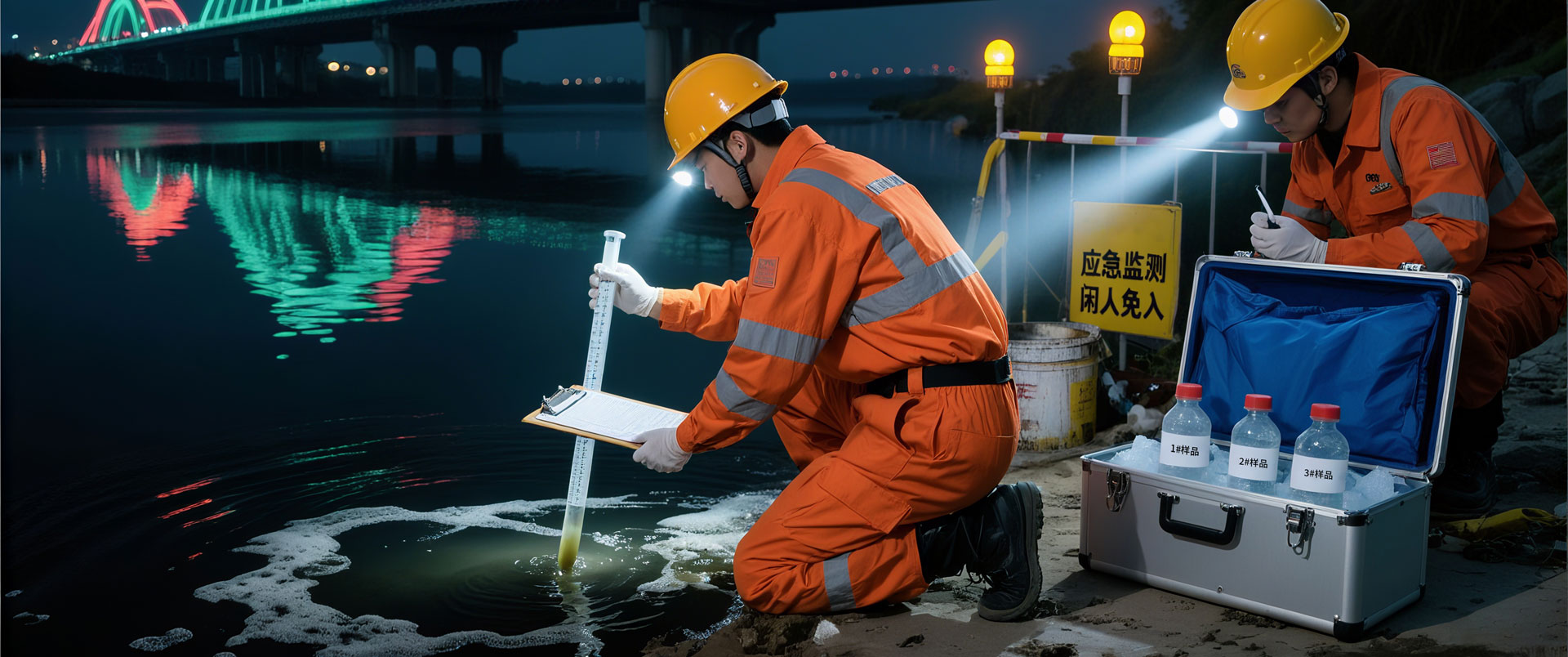
In the face of emergencies such as earthquakes, floods and infectious diseases, rapid and accurate water quality monitoring is particularly critical. Water pollution and quality deterioration may lead to secondary disasters, while timely acquisition of accurate water quality data can provide strong support for decision-makers to quickly take necessary measures to ensure the safety of the public and the environment.
Natural Disasters and Water Quality Monitoring
After natural disasters such as earthquakes and rainstorms, secondary disasters like landslides and debris flows often occur, which carry a large amount of sediment into domestic water sources and seriously affect water quality. Meanwhile, floods can also cause water environment pollution. Industrial wastewater involved has complex components, possibly containing heavy metals such as mercury, lead and chromium, which pose a serious threat to human health. In addition, pesticides including insecticides, fungicides and defoliants can also contaminate water resources. Therefore, rapid and accurate water quality monitoring is particularly important after the occurrence of natural disasters.
Medical Sewage and Water Quality Monitoring
During the outbreak of infectious diseases, medical sewage may contain a variety of bacteria, viruses, parasite eggs as well as toxic and harmful substances. Such sewage may also contain hazardous materials like heavy metals, organic solvents, radioactive substances and acid-base solutions. Direct discharge into the environment will cause great harm to human health. Therefore, real-time monitoring and proper treatment of medical sewage are particularly important.
Environmental Protection Field
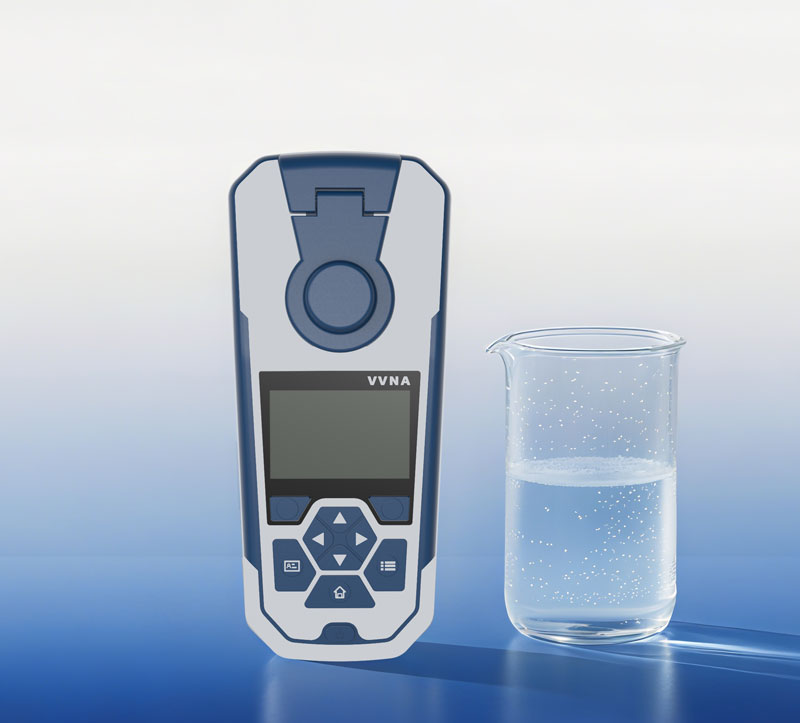
In the field of environmental protection, portable water quality analyzers are widely used for water quality monitoring of natural water bodies such as rivers, lakes and reservoirs. Regular testing can help detect water pollution problems in a timely manner, assess the pollution level, and provide a scientific basis for formulating treatment measures. At the same time, in environmental emergency response, portable water quality analyzers can quickly determine the types and concentrations of pollutants and guide emergency disposal.
Public Health Field
In the field of public health, portable water quality analyzers are of great significance for ensuring drinking water safety. They can be used to test the water quality of tap water plant effluents, secondary water supply facilities and rural drinking water sources, ensuring that the water quality meets national health standards. In addition, in public places such as swimming pools and bathing beaches, portable water quality analyzers can also help managers monitor water quality changes in a timely manner and safeguard public health.
Aquaculture and Industrial Production
In the aquaculture field, portable water quality analyzers can help farmers monitor key indicators such as dissolved oxygen, ammonia nitrogen and nitrite in aquaculture water in real time, adjust the aquaculture environment in a timely manner and improve aquaculture efficiency. In industrial production, portable water quality analyzers can be used to monitor the water quality of industrial wastewater discharge outlets, ensuring that wastewater is discharged up to the standard and reducing environmental pollution.
Swimming Pool Water Quality Testing
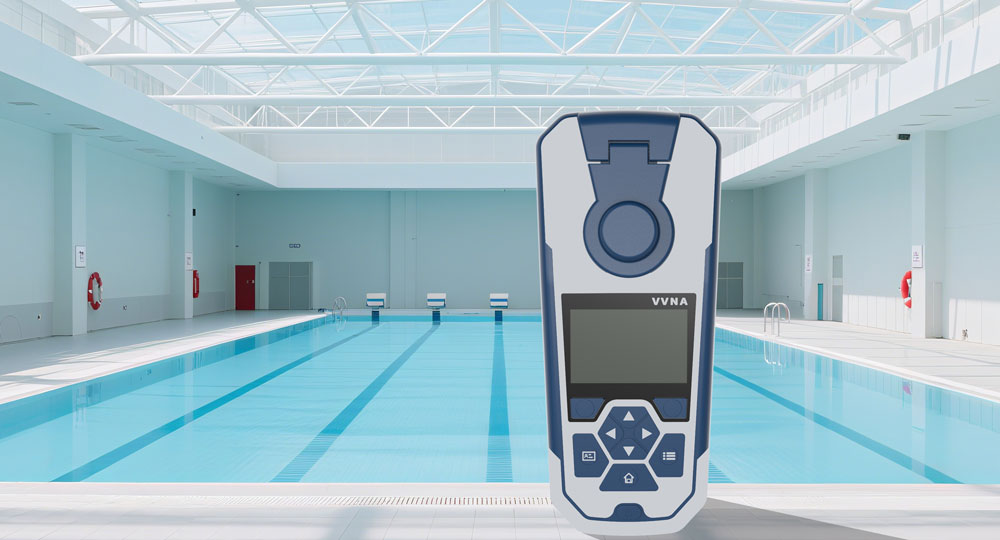
As public places for people's leisure, entertainment and fitness, swimming pools have water quality safety directly related to the health of users. If indicators such as residual chlorine, pH value and turbidity in swimming pool water fail to meet the standards, it may lead to the breeding of bacteria and viruses, causing problems such as skin allergies, eye infections and respiratory diseases; excessive urea indicates that the pool water is not replaced in a timely manner, and the sanitary condition is worrying. Swimming pool water quality analyzers can quickly and accurately detect a number of key indicators, help swimming pool managers grasp water quality dynamics in a timely manner, adjust water treatment schemes, create a safe and healthy water environment for swimmers, and are essential tools for ensuring public health safety and improving swimming pool service quality.